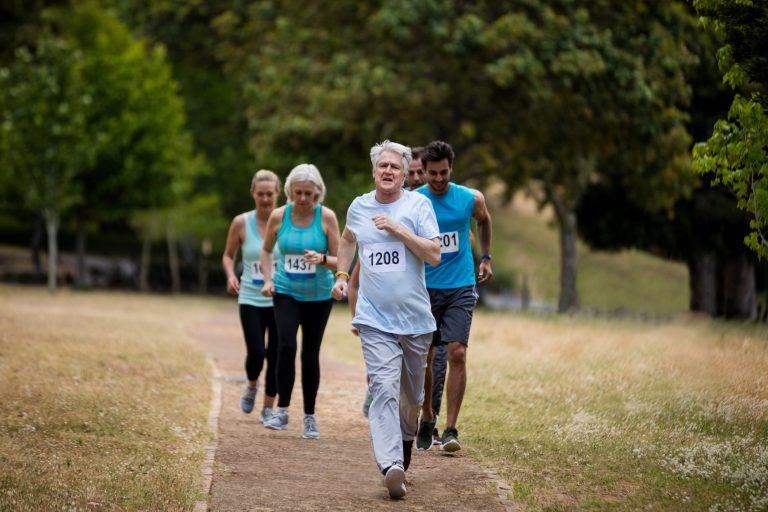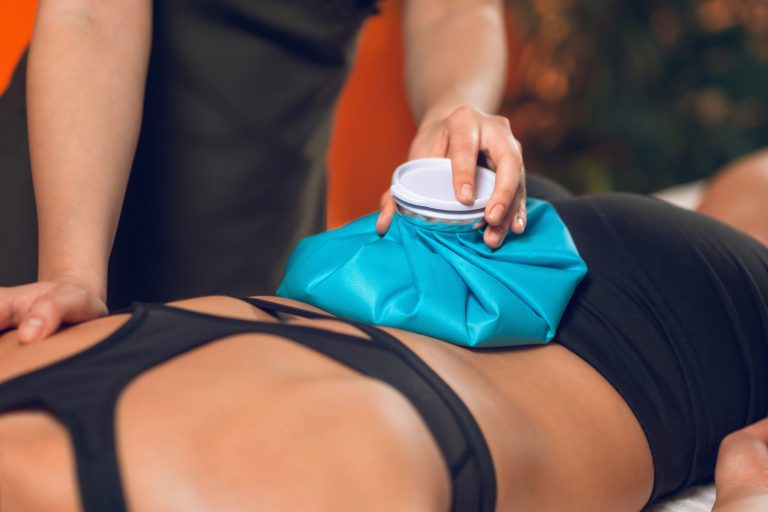

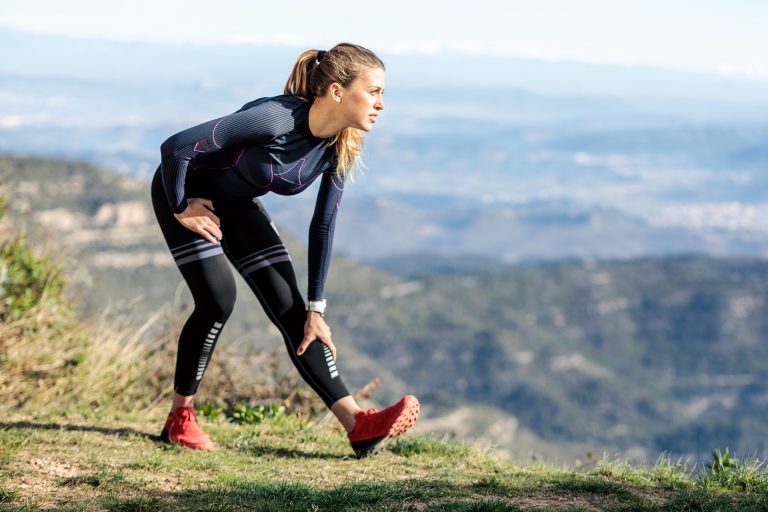
Running has several physical benefits for both men and women if it’s done correctly. While the act of running may seem simple, injuries can occur. Without proper stretching exercises, joint and hip muscles can cause serious health concerns.
Common Running Injuries
Over 80% of running injuries are caused by stress. Repetitive motions that continue for a long period of time exacerbate this type of pressure. Sprained ankles and torn muscles are common issues that can be prevented with the right warm-up.
Achilles Tendinitis
Achilles tendinitis occurs when the tendon becomes inflamed. This injury is located near the calf muscle and can create a dull pain above the heel. Swelling and a lack of motion in the foot are also signs the tendon is damaged. If untreated, this condition can require surgery.
Shin Splints
Shin splints often happen when an individual chooses to run exclusively on pavement or other hard surfaces. This pain can occur on both the inner and front of the legs. Surgery is not usually required, but it may take weeks to heal. Shin splints cause mild swelling, tenderness and additional pain during exercise.
Hamstring Injuries
Tight hamstrings can lead to running injuries. Marathon runners often experience this type of injury because of repetitive tears in the connective tissue. Strains are usually felt over an extended period of time and cause pain in the back of the upper leg. Hamstring injuries can also leave runners feeling weak.
10 Stretches To Prevent Trail-Running Injuries
To prevent common injuries from running, stretching the entire body is beneficial. The legs as well as the hips and shoulders can cause stiffness without a thorough warm-up.
1.) Kneeling hip flexor stretch. The hip flexors are located where the thighs meet the torso. If hip flexors are out of alignment while running, this can cause lower back pain. A kneeling hip flexor is done by kneeling on one foot so the knee is bent at a 90 degree angle. Rest both hands on the knee and lean forward to straighten the right hip. Repeat with the other knee after 30 second intervals.
2.) Standing quad stretch. The quads can be found in the front of the thigh. To do a standing quad stretch, stand with feet hip-width apart. When feet are spaced exactly under the hips, they will be directly beneath the shoulders as well. Bend the left knee and raise the foot directly behind until it touches the left buttock. These little “kicks” can be done repetitively on both sides.
3.) Seated hamstring stretch. The hamstrings connect to the hip flexors from the back of the thighs. To stretch tight hamstrings, first sit on the floor with one leg extended. The other leg should also bend, but with the knee lying at a 90 degree angle on the floor. Trying to touch your toes in this position will stretch the back of the leg and the knee.
4.) Knee hug. The knee hug is also used to prevent knee pain before a run. To do this stretch, lie with your back pressed against a flat surface. Gently pull the knees into the chest and hold for thirty seconds.
5.) Child’s pose. Child’s pose stretches the shoulders and torso by allowing the body to rest on the back of the feet. First kneel on the mat with toes pointing behind you. By bending forward at the waist, slowly slower the chest to the knees. It’s similar to the knee hug, but provides a deeper stretch.
6.) Downward dog. Downward dog is often done in yoga classes to stretch the calf muscles. This requires a runner to get on their hands and knees with shoulders directly above the hands. Slowly walk the feet back so that the body is in plank position before bringing the hips up toward the ceiling. The body should look like an upside down “V”.
7.) Heel lifts. Heel lifts are a simple stretch that can be done anywhere. By slowly rising onto the balls of the feet, ankles can increase mobility. Each heel lift should be held for approximately thirty seconds each.
8.) Twists. Twists can be done seated or standing. By positioning the torso in an upright posture, slowly twist to one side of the body and hold. If done seated, this position will stretch the back of the thigh and buttock. If the body feels strained or pinched by stretching, ease the intensity by turning back to center.
9.) Wall push. A wall push helps ease tightness in the heel and calf muscles. By using wall pushes before running, the chance of experiencing a muscle spasm decreases. Wall pushes are done by facing a wall in a standing position. Place both hands on the wall directly in front of the shoulders and take one step backward with the right leg. By pushing against the wall, a stretch can be felt throughout the right calf. Hold for thirty seconds before switching legs.
10.) Toe touch. Touching your toes will stretch the hamstrings as well as the hips. For a proper stretch, the feet must be shoulder-width apart without locking knees. Touching the toes from a standing or sitting position is an easy stretch that can be done anywhere to decrease stiff and sore muscles.
The Cool-Down
Cooling down after a run on the trail is essential for muscles and tendons. The cool-down stage allows runners to bypass any light-headedness that occurs when blood pressure drops. A low blood pressure and heart rate can cause dizziness and nausea after a long run.
Slow jogging or walking is recommended after a run. This allows for blood pressure and heart rate to decrease slowly. When doing stretches after a run, bouncing is discouraged. After-run stretches should be done with consistent breathing from the belly.
Conclusion
Stretching is done both before and after a run. Machines are not usually necessary to perform these stretches, but certain equipment can help with posture and strain. Simple stretches are used to prevent common issues involving hamstrings and are encouraged for long distance runs as well as sprints.