

Runner’s knee is a medical condition that affects the knee. It may be known as Patellar tendinitis, Patellofemoral pain syndrome, or Chondromalacia patella. PFPS is the most common form of runner’s knee and makes up about 20 percent of knee injuries in runners.
Runner’s Knee Symptoms
When people suffer from runner’s knee, they typically feel some mild pain and tenderness around and below the kneecap, including around the back of the kneecap where the thigh bone and kneecap meet. In the first stages, runner’s knee may only be felt while running or doing another exercise that is high impact. The pain will start to become more intense, and eventually, the pain will happen even if you are not running or working out. Some people experience a popping or cracking sensation around the knee, and they have swelling around the kneecap. To diagnose runner’s knee, your doctor will order some x-rays and other tests to see what the problem is. It is important to get treatment because you can cause permanent damage to your knee.
Runner’s Knee Treatment
There are several ways that you can treat runner’s knee, and they include:
- Stop running. You will have to stop running and quit doing any other high-impact exercise to recover. This may take several days or several weeks. If you want to keep up with your training, switch to a low-impact sport.
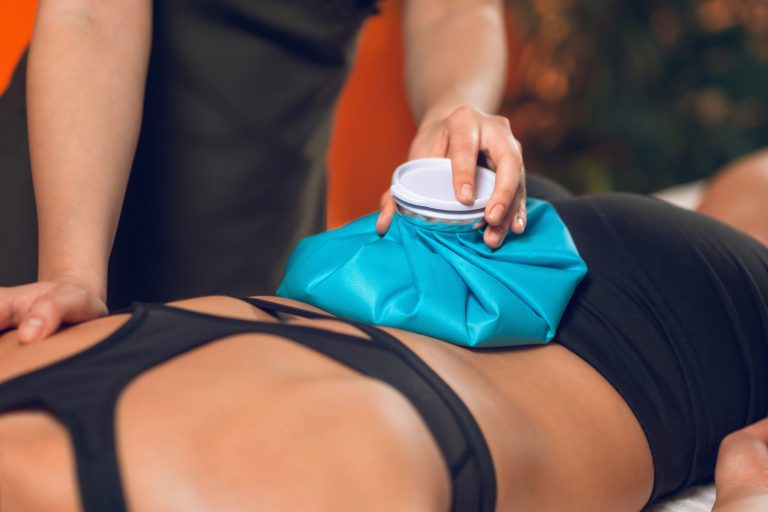
- Ice. Ice therapy can help to minimize the swelling and help to reduce pain. You should do ice therapy at least ten to fifteen minutes a day for up to four times a day until you no longer have swelling and the pain is gone.
- Compression. You will want to support your knee by putting it in an elastic bandage or use a sleeve. This will help to reduce pain and help to speed up the healing process.
- Elevation. While you are lying down or sitting, elevate your knee up higher than your heart. You can do this by putting several pillows under your knee.
- Anti-inflammatory medication. Take some anti-inflammatory medication like ibuprofen to help with the pain and swelling.
- Sports cream. You can try to use some pain-relieving sports cream. This can help to numb the pain and help decrease the inflammation in your knee.
- Surgery. Surgery is only in rare cases, and this will be done to mend the patella or take out injured cartilage.
Preventing Runner’s Knee
You should be doing all you can to prevent runner’s knee while running. Do the following:
- Strength train. If you have any muscle weakness in your legs, you can develop runner’s knee quickly. You will need to make sure that you strength train daily. You should focus on your glutes because your glutes being weak can lead to runner’s knee.
- Stretch your muscles. Stretching your muscles keeps them flexible and loose. When they are flexible, your kneecap can move up and down the patellar groove without any friction. You should work on stretching out your hamstrings and calves especially.
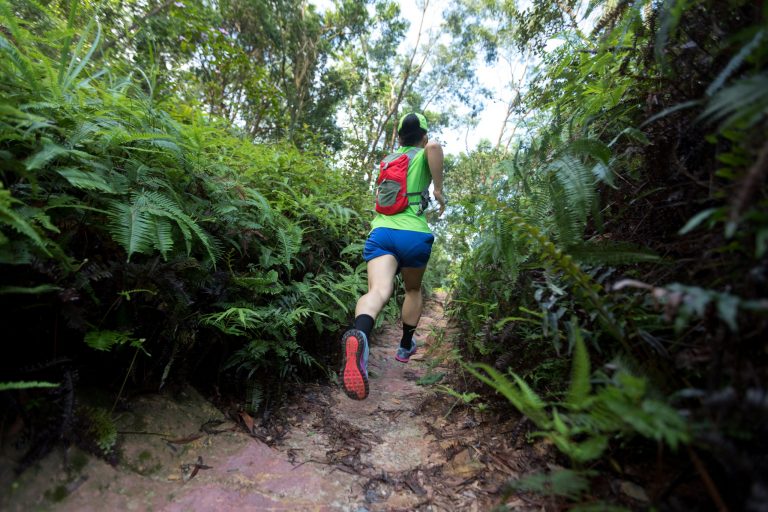
- Running on the right surfaces. Running is an impact exercise, and when you are constantly doing it on hard surfaces like asphalt, it can do damage to your knee. Try doing your running on softer surfaces like a synthetic track, trails, or even in the grass. If you do need to run on the concrete or asphalt a good bit, try to vary the surface you run on. For example, during your free time, work on running in the grass or on a dirt trail, as this will help to lessen the impact on your knees.
- Improving your running form. You will want to make sure that you run tall and lean slightly forward, your body should be relaxed at all times, and you should land on your forefoot instead of always landing on your heel.
- Orthotics and running shoes. When you have had a history of runner’s knee, or you want to avoid ever getting it, you may want to consider getting custom fit orthotics to help you to be able to support the stress of running. You will also want to make sure that you have the right kind of running shoe. Improperly fitting shoes or shoes that do not have much cushion can cause runner’s knee.
- Watch your weight. You will want to make sure that you keep your weight at your ideal level because when you run, all that weight is on your knees.
- Slow down. Many runners injure their knees simply because they were going too fast too quickly. Do your running slow and steady. If you are going to speed up, you should do it gradually.
- Listen to your body. Another big part of avoiding runner’s knee is to make sure that you listen to your body. If something hurts, stop doing it and figure out the cause. Make some adjustments to your running technique, your shoes, and take some time to rest. Listening to your body will help you to stay in shape without getting hurt.
- Wrapping your knee. Another way to prevent your knee from getting runner’s knee is to wrap it. Use a sports bandage or tape and wrap your knees up with it. If you have bad knees already, this is a necessity. If you do not have bad knees, at the first sign of any kind of knee pain, you should immediately wrap it. Some people choose to go ahead and wrap their knees even if they do not have any kind of pain to ensure that the kneecap stays stable. Keeping your kneecap stable will help you to ensure that you do not get runner’s knee in the future.
If you feel pain around your kneecap, chances are that you have runner’s knee, and you will want to begin immediate treatment. Not treating your runner’s knee can cause you long-term issues with your knee and may prevent you from ever running again. Treat quickly, and you will want to do all that you can to prevent runner’s knee in the future. Wearing the proper shoes and doing proper stretches will help to prevent this condition.