
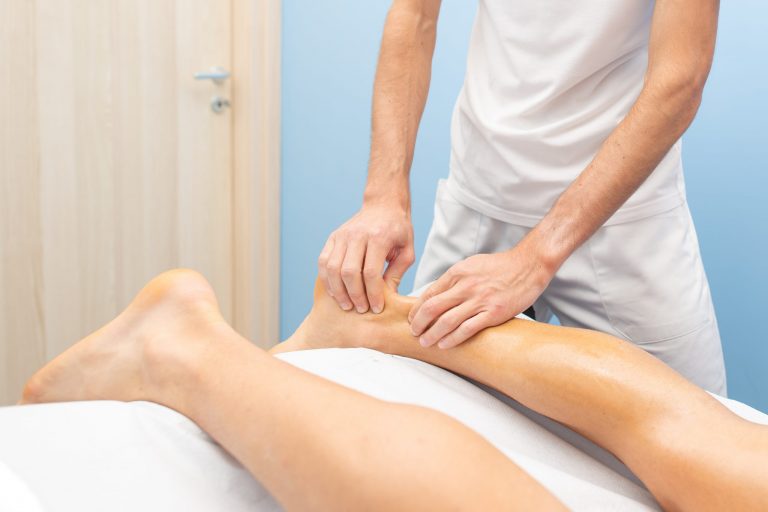
Tendonitis happens when there is irritation or inflammation in one of your tendons. These are the fibrous cords that attach your muscle to the bone of your body. Tendonitis can occur in any part of the body. Runners typically see tendonitis attack their heels, knees, and calves.
Symptoms of Tendonitis
Symptoms of tendonitis include the following:
- Pain. People often describe this pain as a dull ache, and it typically occurs when moving the affected area.
- Tenderness
- Swelling
Treatment
There are several treatment options available to help treat tendonitis. They include:
- Pain relievers. Aspirin, ibuprofen, and naproxen sodium are all popular to help relieve pain from tendonitis. You may also want to look at topical creams with this medication.
- Corticosteroids. In some cases, your doctor may choose to treat your tendonitis with a corticosteroid. He or she will do this by injecting the medication around the tendon that is affected. It can help reduce the pain and inflammation. This treatment option should not be used for chronic tendinitis as it can weaken the tendon and increase the risk of a tendon rupture.
- Platelet-rich plasma. This treatment option will take a sample of your blood and separate the platelets out. They are then injected in the area where you have the tendon irritation.
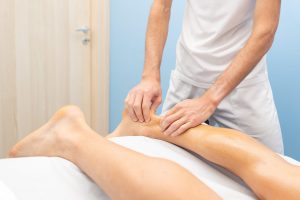
- Physical therapy. Physical therapy can help to stretch the tendon muscle, which aids in the healing process.
- Ultrasonic treatment. This procedure uses an ultrasound device that can help to remove any scar tissue that you have in the tendon.
- Surgery. If you have severe tendonitis that is not responding well to treatment, your doctor may decide that a surgical repair is needed.
- Dry needling. Dry needling will drill small holes in your tendon. This helps your body to promote healing in that area.
- Compression. When you have tendonitis, you will want to compress the area to help prevent and reduce swelling.
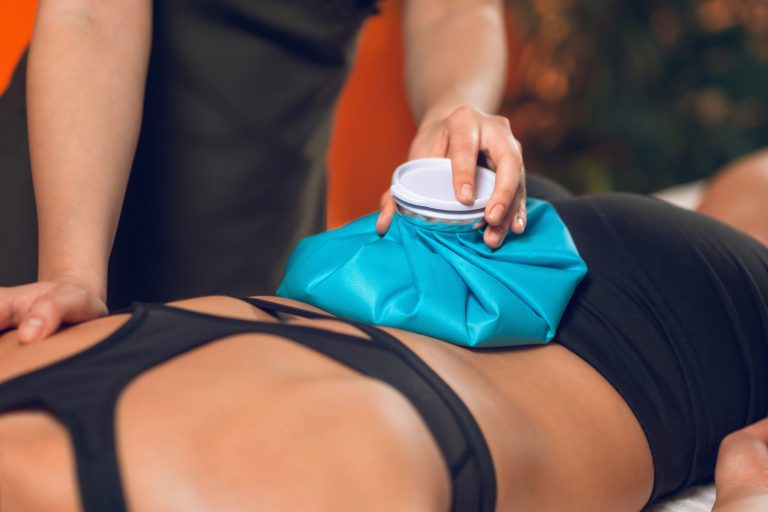
- Ice. Ice will help to decrease swelling, pain, and muscle spasms. You should apply ice to the affected area for at least 20 minutes several times a day for the most benefits.
- Rest. You should avoid running until the tendonitis is healed. If you continue to run, you will only hurt yourself further. You can still do some mild exercises like leisure swimming while injured.
- Elevation. If the tendonitis is affecting your knee or ankle, you should try to elevate it above the level of your heart. This is especially true while sleeping and can help to promote healing.
Prevention of Tendonitis
There are many things that you can do to help prevent the onset of tendonitis. The more you do, the less likely you will be to suffer from this condition. Things you should do include:
- Wearing proper shoes. One of the most important things that you can do as a runner is to make sure that you are wearing the proper shoes. Do not just get any kind of running shoe on the market and think it will be appropriate for you. Take your time and read reviews on various running shoes before making a purchase. You will also want to ensure that the running shoes you purchase fit you well. They should be snug against your heel and very comfortable. You should replace your running shoes every six months to ensure that they are working well for you. When you run in worn-out running shoes, you are not getting any support to your heel, which can actually lead to issues with tendonitis.
- Stretches. It is a good idea to always do your stretches. You will want to stretch as soon as you wake up in the morning and then before and after your run. This will help to warm your muscles and cool them down.
- Building your endurance slowly. Never start to increase your mileage in your run quickly. You will want to slowly increase the mileage in order not to put any more wear and tear on your body. If you increase too quickly, your tendons will become strained, increasing the likelihood that you will have tendonitis.
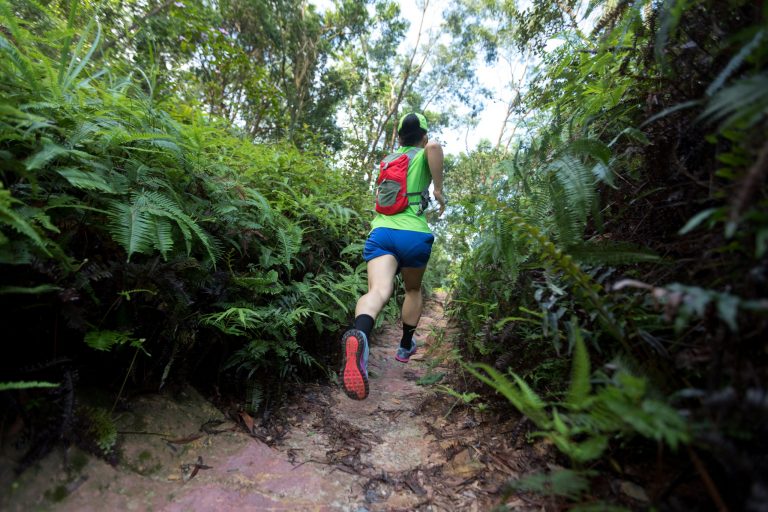
- Knowing the area, you are running. It is a good idea to familiarize yourself with the trail you are running before actually running it. Consider walking the trail and looking at the terrain. Knowing the terrain well will help you to avoid instances of falling or tripping.
- Improve your form. When running, you will want to make sure that you actually have the proper form. All of your weight should not be landing on your heels but instead on the middle of your feet. Distributing your weight evenly will help to ensure that you are less at risk for tendonitis.
- Get plenty of rest. When you are getting enough rest, your overall health is better, and you are at less risk for tendonitis. When you do not get enough rest, your muscles and your overall body will be tense, which will lead to a higher risk of occurrence for tendonitis.
- Strength training. Starting overall strength training can help you to build muscles and help to prevent tendonitis.
- Maintaining your weight. When you weigh more, you put more strain on your body. When you run, you are getting the most impact out of your body, and this can stress your tendons and muscles. If you are overweight, you will need to switch out your diet for a healthy one and ensure that you are running enough to lose weight.
- Using wraps. If you have an area in your body that has been prone to injury or tendonitis, it might be a good idea to wrap that area with a sports wrap. A sports wrap will help to hold your tendons in place and ensure that you do not have to deal with tendonitis.
If you have tendonitis, you will want to do get treatment for it to ensure that you recover quickly. After recovery, you will want to do all that you can to prevent it. Make sure that you wear the right running shoes, take your time, use wraps, maintain your weight, and work on strength training to avoid any further issues with this condition.