

Are you tired of running road races and looking for a different challenge? Trail races can offer you a new and exciting challenge. From beautiful landscapes and rough terrains to the thrill of competition, they offer something for everyone. But they are not easy. Compared to road races, they are more physically and mentally demanding. That’s why preparing for them is important—preparing for a trail race? Here are some tips that can help you prepare well.
Get Appropriate Shoes
Before you hit the trail, ensure you get a decent pair of shoes. While you can wear road running shoes, they will not offer you the best performance. For trail races, look out for shoes suitable for trails. Because trail races are run on rugged terrain, trail running shoes offer better grip and traction than road running shoes. Therefore, look out for this when shopping for a pair. Also, ensure you pick a pair that is comfortable and fits you perfectly.
Find a Trail Race
Trail races happen all year-round. Look out for trail races on websites dedicated to running. You can also look out for them in trail running magazines. Once you identify a race, think about whether you can complete it safely. If you are running a trail race for the first time, start small. Pick a short race that draws small crowds to ease the pressure off your shoulders.
Familiarize with the Trail
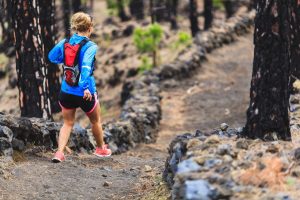
After picking a trail race, familiarize yourself with the trail. While road races are fairly linear, trail races are not. They tend to have steep climbs, descents, curves, rocks, and several other obstacles. Getting yourself acquainted with the trail can help you prepare for these obstacles and avoid surprises on the day of the race.
Set a Goal
Defining your goal can keep you motivated. Will you be running the race to improve your fitness? Will you be running to win, or will you be running to improve on your personal best? Ask yourself these goal-oriented questions to help you plan a training routine. But when setting goals, be realistic. Take into account your current fitness level, and the time it will take you to build the skills required to achieve your goal.
Practice
Once you have set a goal, start practicing for the trail race. If you are new to trail races, consult someone more seasoned, like a coach, to help you develop a training regimen. While trail races require endurance, much like road races, apart from cardio, you will also need to focus on other aspects of your fitness. For instance, because trail races often involve running on uneven terrain, you will need to incorporate balance exercises into your training routine.
Run Technical Trails
When practicing, you may start on smooth terrain. But as you build endurance, try running on more technical trails. Not only will running on technical trails give you a real feel of what trail races are like, but it will also help you anticipate obstacles on the day of the race.
Pace Yourself
Trail races are a lot like marathons, not sprints. When training for a trail race, you will discover that pace is not as important, especially on rugged terrain. What’s more, trail races tend to take more time than road races even if both races are the same distance. Therefore, prioritize building stamina rather than pace and focus on trying to run at a consistent speed.
Check the Weather
Weather can have an adverse impact on trail terrain. For instance, heavy rain can make a trail muddy, resulting in a slow race. Therefore, observe the weather to help you determine how to prepare for the race. Additionally, check the weather so that you know how to dress for the race. If there is heavy rain or wind, you may want to wear a jacket to keep you warm.
Get Enough Sleep
Training for a trail race involves rigorous training. To help your body regenerate after a strenuous training routine, ensure you get enough sleep. As a rule of thumb, try to get at least seven hours of sleep. Getting quality sleep can help improve your speed and boost your overall performance. What’s more, it can uplift your spirits too.
Carry Water and Food for Refueling
Trail races can get exhausting. When running them, you may run out of energy. Do not wait to completely run out of energy before you refuel. Hydrate and eat during the run to stay energized. Carry foods that pack a lot of calories in small sizes, such as sports drinks and gel packets. But avoid foods rich in fiber and spicy foods at all costs. They can lead to stomach discomfort and affect your running.
Carry a Map
Trail races are not as straightforward as road races. Navigating them can be tricky, and sometimes the course can even change during the race! But do not fret. Carry a map to help you navigate the course if you are unfamiliar with it. Alternatively, wear a GPS watch to help you stay on track.
Stay Upbeat
Finally, preparing for a trial race takes a lot of mental fortitude and can take a heavy toll on the body. But to run a trail race well, your body needs to be in tune with your mind. Even if you are running to win, do not be too hard on yourself. Live in the moment and enjoy the trail. While you may want to push your body to the limit, stop if necessary. Take a moment to catch your breath. Sure, you may end up not winning the race, but your body will thank you for it.
Final Word
Transitioning from road races to trail races can offer a fresh and thrilling challenge. If you are planning to run one for the first time, follow the tips above to get the most out of the race. While trail races may feel difficult at first, do not get discouraged. You will eventually get the hang of it. All the best as you blaze the trail!