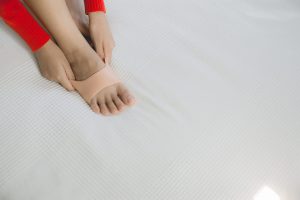

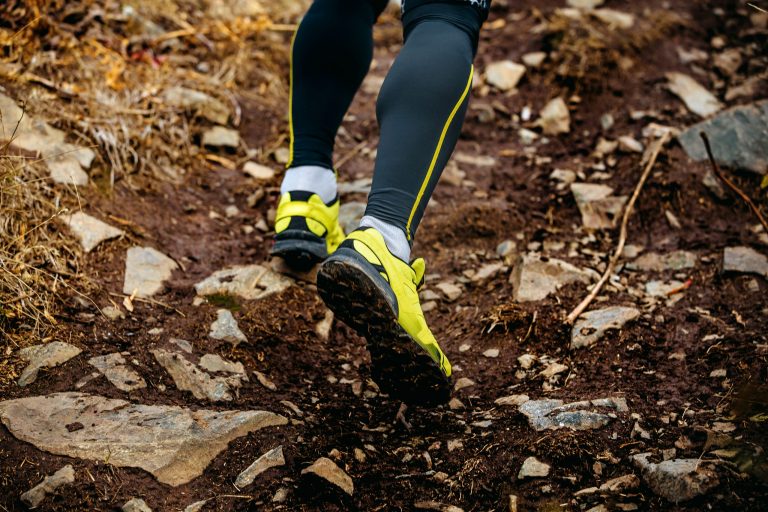
Trail running is a demanding sport and can be brutal on your feet. Trail running provides many different challenges for runners because of the harsh terrain and long distances. This can put runner’s feet at risk of breaks, sprains, blisters and more. If you damage your feet, it can be irritating and take you out of the race, or even the whole sport, for a few weeks or months. It is critical that all trail runners care for their feet to ensure the best possible run. Here are some top things that all trail runners should consider.
Do a Gait Analysis
A gait analysis is one of the first steps that all runners, especially trail runners, should do before they buy a new pair of shoes. A gait analysis can help you determine how you land and can help you find the ideal shoe for your exact needs.
When performing a gait analysis you will start in a neutral shoe and run for about 30 seconds. An expert will evaluate how you land and if you have any misalignments in your joints. The expert will show you how you run and how you land. They will then talk to you about your results and help you find a shoe that meets your needs. For example, if they notice that you land on your heels, they may recommend that you have heel cushioned shoes for your runs to help prevent injuries to your feet.
Select proper footwear
Once you have done a gait analysis, you should select the correct footwear to meet your individual needs. There are many different stability factors in shoes that can help you control your movements while running. These different factors can help protect your ankles from slight bends while running to help minimize the risk of injury. In addition, you can also choose from a different variety of cushioned shoes to ensure that your feet are properly cushioned when running on hard surfaces and uneven terrains.
Prevent Blisters by Wearing Properly Fitting Shoes
Blisters are one of the most annoying things that can happen to your feet. Everyone has experienced a blister when they wore shoes that did not quite fit their feet. For ordinary people, this is not usually a big deal because it can easily be covered up with a band aid. For runners, this is a huge deal. Runners cannot simply take off their shoes in the middle of a twenty mile run or more to take care of a blister. Instead, they will likely need to preserve through the pain and discomfort. To prevent this annoying and painful incident from happening, it is crucial that you wear properly fitting shoes while running. Try testing the shoes out on a shorter run to break them in and make sure they fit before a long run.
Avoid Cotton Socks for Blisters
If you have a blister, it is essential that you avoid cotton socks. Cotton will trap in heat and moisture and can make a blister worse. Wearing cheap cotton socks can also be the cause of a blister because they do not allow the moisture to escape your foot. Try using wool socks to allow for heat dissipation.
Run within your capabilities
Every runner has different abilities and you should never push yourself farther than you are able to go. Training yourself to go farther and go on different surfaces will help you meet your goals, but try to avoid pushing yourself faster than you are really able to go. If you try to go too hard, too fast, your feet will not be able to keep up with the demands of your body. This can cause injury to your feet and joints that could stop you from running for weeks, if not months.
Rub talc on your feet
Talc is a great way to help keep your feet dry while running. If you are prone to getting blisters, you may want to consider rubbing talc all over your feet before a run. This powder can help prevent blisters and create a barrier between your feet and your socks. This will make for a better overall running experience.
Use barrier gels for trail running
Barrier gels can be applied to your feet before a run to help protect the soft tissue. This can help ensure that your feet do not rub against your sock and get irritated during the run.
Change your Foot Landing while Running
Landing on the heels of your feet is one of the most dangerous and destructive things you can do while running. Landing on the heels of your feet is also referred to as heel striking. This is how the majority of beginners run and should be avoided. This can lead to over striding and can cause joint pain all over your body.
Instead, it is important to land on the balls of your feet. This may not come nature to many people and is something that should be practiced. Landing on the balls of your feet can help reduce your risk of injury and can help you run with proper form.
Know when to stop
It is critical that you know when to stop. If you are experiencing pain or discomfort you may need to stop your planned run early. If you continue to push through a run, even if you are in pain, you could do more harm than good to your body. Knowing when to stop is one of the most important things you can do to protect your feet while trail running.
Recognize signs of foot pain
Understanding what foot pain is and recognizing the signs of foot pain can help you know when it is time to stop. The pain that you feel may show up during a run or after a run. Either way, it is important to recognize the pain and adjust your training schedule and goals as needed. Some of the most common signs of pain include arch pain, heel pain, numbness, tingling, difficulty walking, inflammation, bruising, tenderness and more.