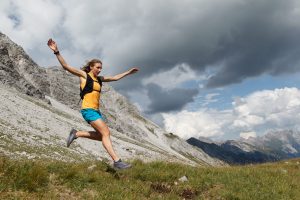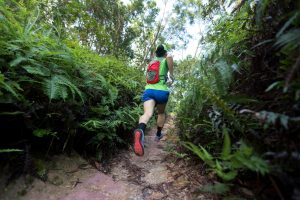

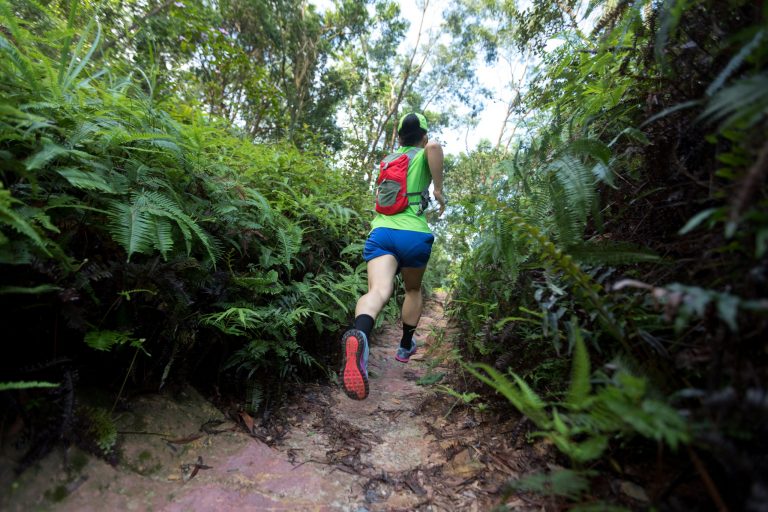
Injuries are inevitable when trail running. While there are measures you can take to prevent them, such as eating well, observing a proper diet and training appropriately, they are still bound to happen. That is why it is important to be prepared in the event you get injured. If you are planning to go on a run soon, here are items you should carry to prevent injuries and avoid aggravating them.
Anti-Chafing Gel
Runners are prone to suffering from chafing. Chafing is caused by friction when the skin rubs against itself or clothing, which is worsened by sweat. It often affects the groin, armpits, thighs and nipples. To prevent chafing apply anti-chafing gel to chafe-prone areas. While anti-chafing gel will not eliminate friction, it will reduce its effects. To prevent chafing, also ensure you wear snug-fitting clothes. While loose-fitting clothes may feel more comfortable on the trail, they can cause chafing. Finally, ditch cotton since it soaks up a lot of sweat and remains wet. Instead, opt for non-absorbent fabrics such as nylon and polyester.
Gel Blister Pads
Like chafes, blisters are caused by friction. They are often caused by wearing inappropriate socks or ill-fitting shoes. Blisters can be incredibly painful. So while you may feel like popping them, don’t. Leave them alone, and they will eventually go away. But if the pain does not subside or you cannot resist the urge to pop them, consider using gel blister pads. Gel blister pads can protect blisters from further friction and speed up healing.
Bug Spray
There are lots of bugs out in the wild. From bees and wasps to mosquitoes and hornets, several bugs may be out to get you. If you suffer the misfortune of being bitten by any of these insects, bug spray can reduce the excruciating pain and bring you some relief.
Antiseptic
Trail runners are prone to getting scrapes and cuts from things such as twigs and protruding rocks. In the event, you get a scrape or cut while running, ensure you disinfect the affected area with antiseptic immediately. Antiseptic can prevent the affected area from getting septic and save you from having to make a trip to the hospital.
Water Treatment
If you get a scrape or cut while you are out on the trail and do not have antiseptic, do not worry. Water can suffice. Use clean water to clean the area around the injury. Once the area is clean, use a damp cloth to clean the wound.
And water treatment aside, ensure you carry drinking water when you hit the trail. Dehydration can lead to severe headaches, dizziness and muscle cramps. Water can prevent you from experiencing the side effects of dehydration. To get the most out of your drinking water, supplement it with salt or electrolyte tablets.
Tweezers
Sometimes after cleaning a wound, you may notice dirt or debris has remained. Carefully remove dirt or debris using tweezers instead of your hands. And apart from removing dirt or debris, tweezers can also come in handy if you need to remove cactus needles, thorns or splinters.
Trekking Poles
While they are not a mandatory piece of gear, trekking poles can help you navigate rough terrain. This is because they act as an additional limb. As a result, they can give you more stability and reduce the strain on your joints. Additionally, they may help you navigate the trail faster. However, if you do decide to carry a trekking pole, ensure it is the right length.
Sunscreen
Sunscreen is a must-have item, especially if you are running outdoors in the summer. Sunscreen can protect you from the sun’s harmful ultraviolet rays that cause sunburn. To get the most out of sunscreen, apply it 20-30 minutes before you head out for your run to ensure your skin absorbs it. Ideally, look for a sunscreen that offers an SPF of at least 15 because it will protect you from both UV-A and UV-B rays.
Ankle Tape
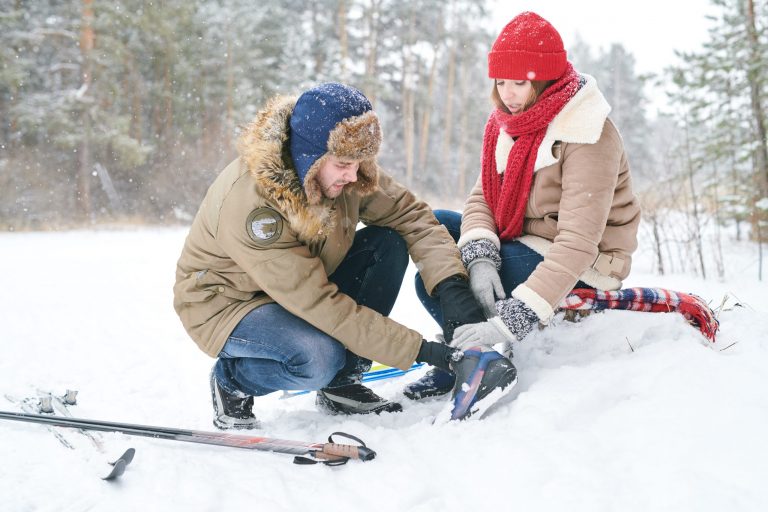
Runners are prone to getting ankle injuries. If you twist your ankle on a trail run, ankle tape can provide temporary relief. It can support your twisted ankle and enable you to walk without needing support. However, if you do twist your ankle, ensure you visit a doctor to assess the seriousness of your injury.
Bandages
Bandages are a must-have item. From covering wounds and controlling bleeding to providing support, bandages perform a variety of tasks. For example, if you are out on a trail run, you may fall and cut or scrape yourself. If you do, bandages can come in handy. They can be used to cover open cuts and scrapes.
What’s more, bandages can prevent and help blisters heal faster too. To prevent blisters, use blister bandages on areas prone to blisters, such as the sides of the feet. And as stated earlier, if you get a blister, do not pop it. Instead, if the blister is in an area susceptible to abrasion, protect it using a blister bandage to help it heal faster.
Extra-Long Bandages
While conventional bandages serve a variety of purposes, they cannot do everything. For certain joint injuries, you may need extra-long bandages. Unlike conventional bandages, they can wrap around the joint and offer more flexibility when you move. Extra-long bandages are also more suitable for injuries such as strains and sprains.
First-Aid Kit
Last but not least, ensure you have a well-equipped first kit. In addition to the items already mentioned, your first aid kit should also have the following items:
- Aspirin: For pain relief.
- Antihistamine: If you suffer from allergies and they flare up.
- Antibacterial cream: To treat cuts and scrapes.
- Wet wipes: To clean your hands.
- Hand sanitizer: To disinfect your hands.
- Antacid tablets: For stomach relief, if you experience discomfort.
- A flashlight: For night visibility.
- A pair of scissors: To cut bandages.
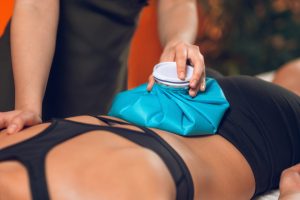
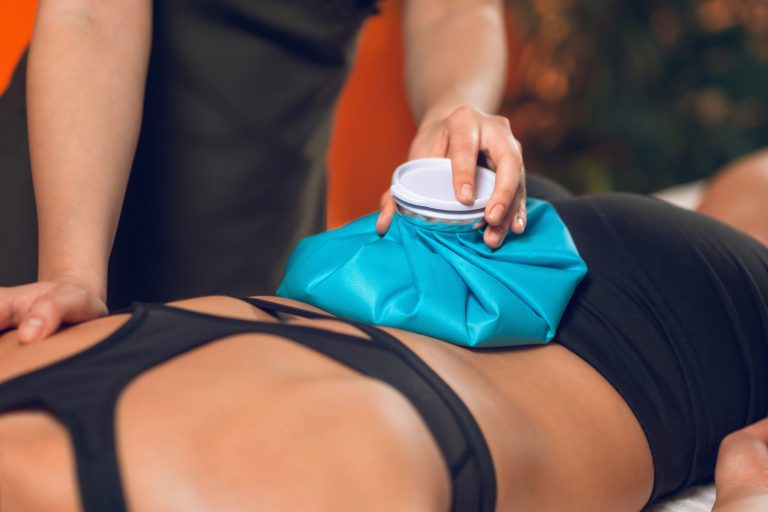
- An ice pack: To bring down swelling from injuries.
- A rescue whistle: To make distress calls.
Final Word
Trail running is a great form of exercise, and it can be lots of fun. However, like other forms of exercise, you may injure yourself if you are out on a trail run. To prevent injuries and treat them when they happen, ensure you have the items mentioned above. That said, stay safe and enjoy your run!