

What Are Shin Splints?
Shin splints is the term given when a person experiences a pain along the front of the lower leg. This pain often occurs during a run or after a run. It can be very painful and uncomfortable, but can be prevented and treated if they occur.
How Can You Tell If You Have Shin Splints?
You will know if you have shin splints by the unique pain that you feel along the front of your lower leg. This pain will likely start and not stop until after you finish or stop the exercise. While you will likely be able to diagnose yourself with shin splints, you can seek advice from a medical professional if you are unsure of what the pain is.
Treating Shin Splints
A doctor will be able to determine if you have shin splits or a possible bone fracture by x rays and a simple conversation about your physical activity. If you are diagnosed with shin splints, there are many different ways that you can treat it.
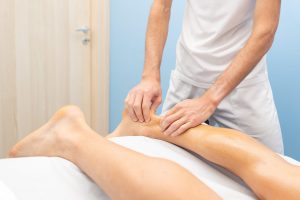
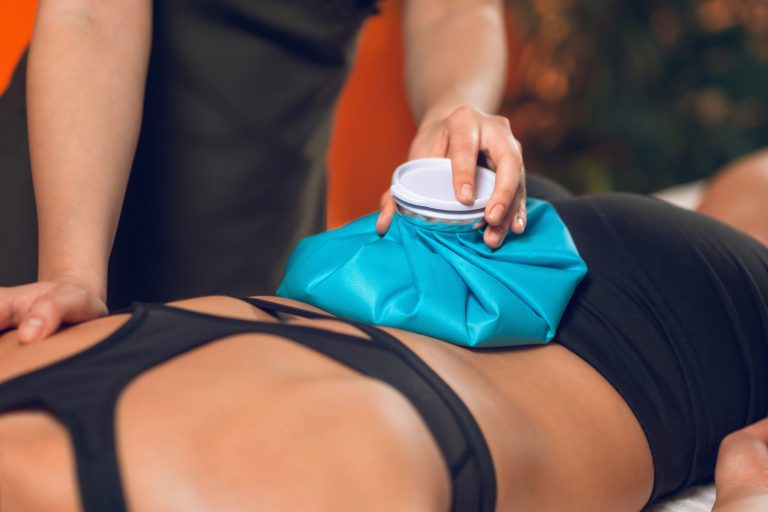
One of the best and least expensive ways to treat this disorder is by using home remedies. You can simply take a break from the exercise for a week or so. Giving your legs and muscles time to recover from the exercise is usually enough to stop shin splints. Most medical professionals recommend taking about two weeks off from exercise or switching to an exercise that is not harmful to your legs, like swimming. Some of the best ways to help treat shin splints is to keep your legs elevated when sitting down or sleeping, using ice packs to stop swelling, taking ibuprofen as needed, wearing compression bandages or using a foam roller to massage your legs. If you try these things and do not experience any relief in your symptoms, you should consult a medical professional for further advice and treatment.
One of the more extreme ways that you can treat persistent shin splints that last for more than a few months is to undergo surgery. Surgery is not often used to treat shin splints, but it can be in some of the more extreme cases. The procedure that you will likely have is called fasciotomy. During this surgery, your doctor will make small incisions in the tissue of your calf muscle to help relieve pain from shin splints.
Preventing Shin Splints
Shin splints can be very painful and it is best to take necessary steps to help prevent them from occurring. One of the best ways to prevent shin splints is to wear shoes that fit properly and that offer good support and cushion. Try to avoid wearing old shoes with no padding or new shoes that have not been properly broken in. There are an abundance of different types of shoes on the market so it is important to understand what shoe you need for your foot type and gait. If you have experienced shin splints in the past, you may want to shop for shoes that offer extra shock absorbing soles. This extra cushion and padding can provide support and help stop the impact from exercise on your joints and muscles.
Another great way to prevent shin splints is to avoid exercising on uneven and hard surfaces. Uneven surfaces require you to put pressure on different parts of your body at different times. This can be an issue for some that can cause shin splints. In addition, try to run or exercise on sand or dirt, as opposed to concrete. The hard surfaces can do more damage to your joints and can be one of the primary factors that can increase your risk of shin splints.
To help prevent shin splints, it is important to understand how to exercise properly. It is critical that you understand your body’s abilities and know when to stop. If you choose to increase the intensity of your exercise and workout routine too quickly, you may be more likely to experience shin splints. Try to add in strength training to your weekly workout routine to help strengthen the muscles in your legs. Adding muscle to your legs before partaking in running or other difficult exercises can help minimize your risk of shin splints. Also, if you notice the pain of shin splints, it it important to stop the exercise. Choosing to exercise through the pain will only make the pain worse and last longer. Instead, stop the exercise and try out a different workout routine, like yoga, strength exercise, or swimming.
Stretches To Help Shin Splints
One of the best ways to help treat shin splints after they occur and to prevent them in the future is to stretch regularly. You should always engage in dynamic exercise before a workout routine and finish your workout routine with either dynamic or static stretches. This can help stretch your muscles and prevent many common issues related to exercise, like shin splints.
If you have experienced shin splints in the past there are a few specific stretches that can help prevent them from occurring in the future. You should stand on the edge of a curb or other slightly elevated surface. Stand on one foot (with half the foot off the edge) and slowly lower yourself down. Then, raise yourself up like you are standing on your toes. Repeat this stretch about twenty times and then switch feet. This stretch can help build calf muscles.
In addition to this exercise, you should also use the gastrocnemius calf stretch to stretch your calf muscles. To do this stretch your should stand with your hands against a wall and place one foot behind you. Place your back heel flat on the ground and bend your front leg until you feel a steady stretch in your back calf muscle. Keep this stretch going for about thirty seconds and then switch to the other leg. Repeat this exercise multiple times a day and hold for thirty seconds to one minute each time you do it.